"Caring for the Children we Share!"

School, Family, and Community Collaborations

Introduction

There are many reasons for developing school, family, and community collaborations.

Collaborations can improve school programs and school climate,
provide family services and support, increase parents' skills and leadership,
connect families with others in the school and in the community,
and help teachers with their work.

However, the main reason to create such collaborations is to help all youngsters succeed in school and in later life.

When parents, teachers, students, and others view one another as partners in education, a caring community forms around students and begins its work

With the School

Schools must reach out into the community in an attempt to strengthen the social capital available to children.

Similarly, We can agree that schools alone cannot provide children and youth with the resources they need to be competent citizens in the 21st century.

Good schools are part of a total system of interactive forces, individuals, institutions, goals, and expectations that are linked together inextricably.

With the Family

Parenting activities increase families' understanding of their children's growth and development.

These activities may assist parents with information on children's health, safety, nutrition, other topics of child and adolescent development, and home conditions that support students' education at each grade level.

Parenting activities also increase schools' understanding of families with strategies that promote exchanges of information between educators, parents, and other caregivers about their concerns and goals for children.

Collaborating with the Community

School - Community collaborations can take a variety of forms. The most common linkages are collaborations with businesses, which can differ significantly in focus, scope, and content.

Other school-community linkages involve universities and educational institutions, government agencies, health care organizations,
faith based organizations,
national service and volunteer organizations,
cultural and recreational institutions, other community-based organizations,
and community volunteers that can provide resources and social support to youth and schools.

Collaboration activities also may have multiple focuses. Activities may be student-, family-, school-, or community-centered,  
Student-centered activities include those that provide direct services or goods to students, for example, mentoring and tutoring programs, contextual learning, and job shadowing opportunities, as well as the provision of awards, incentives, and scholarships to students.

Family-centered activities are those that have parents or entire families as their primary focus. This category includes activities such as parenting workshops, and other adult education classes, parent-family incentives and awards, family counseling, and family fun and learning nights.

School-centered activities are those that benefit the school as a whole, such as beautification projects or the donation of school equipment and materials, or activities that benefit the faculty, such as staff development and classroom assistance.

Community-centered activities have as their primary focus the com­munity and its citizens, for example, charitable outreach, art and science exhibits, and community revitalization and beautification projects

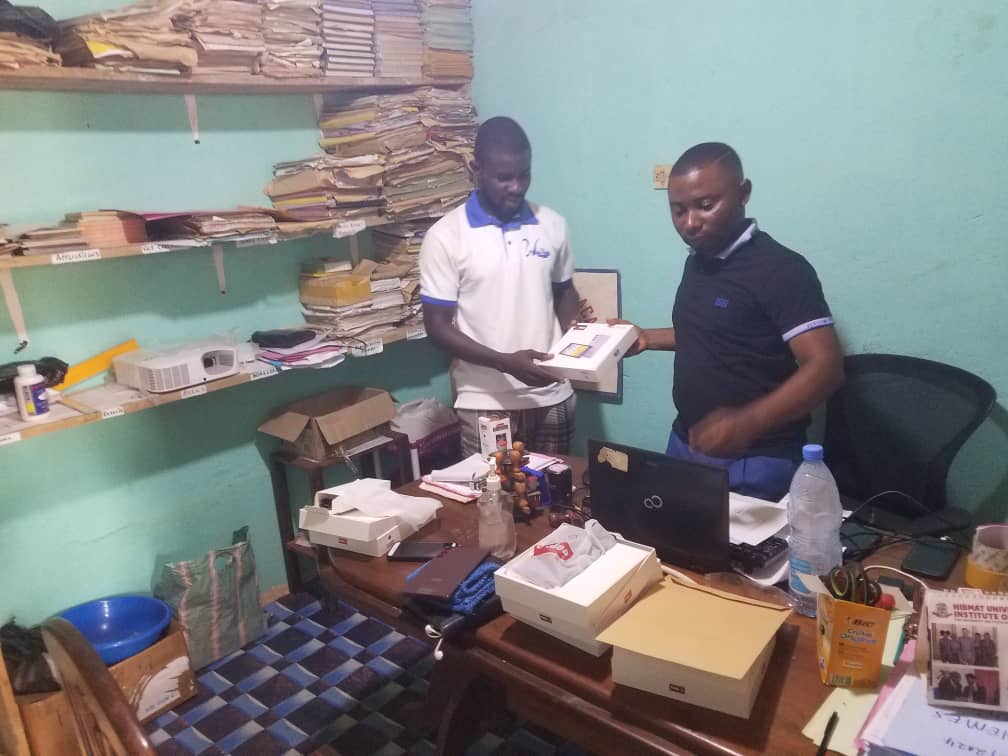
If you are a School 🏫 Nursery, Primary, Secondary or High School..., Partner with us and strengthen our community.

Tell us your interest!